Enchanted Elf Realms
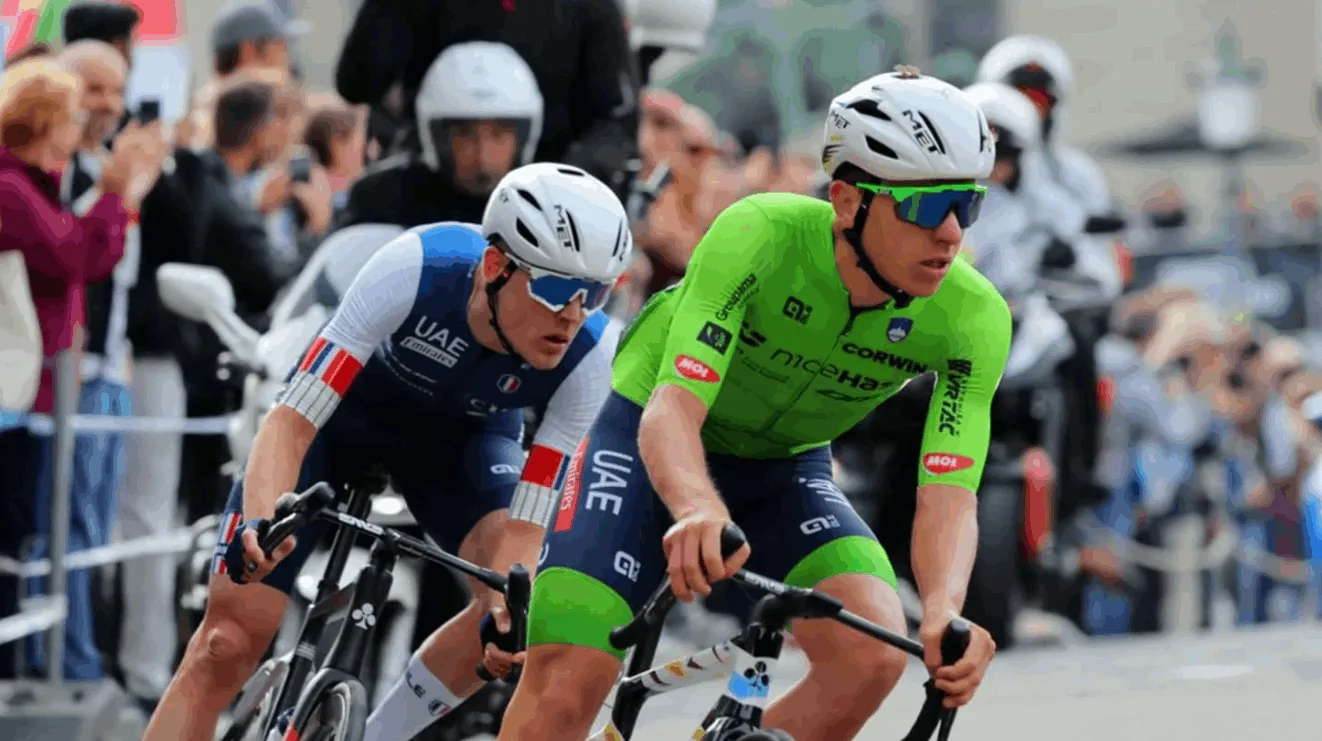
Speed Cycling performance flow represents a dynamic and structured approach to movement within a cycling club environment, where intensity, rhythm, and control come together in a continuous experience. In Japan, where precision and mindful repetition are deeply valued, this concept reflects how individuals develop coordination and awareness through consistent practice. Within a cycling club, road cycling provides a stable foundation, while speed cycling introduces focused bursts of effort. Fitness cycling ensures that the process remains balanced, and bike training connects these elements into a smooth and repeatable flow that evolves over time.
At the center of speed cycling performance flow is the idea of controlled energy. Speed cycling is not only about moving faster, but about understanding how to distribute effort efficiently within a larger rhythm. Road cycling supports this by offering a steady baseline that allows individuals to maintain consistency throughout their sessions. Fitness cycling plays a key role in preserving balance, ensuring that intensity does not disrupt overall stability. Bike training reinforces discipline, helping participants refine their movements and create a reliable pattern that can be repeated and improved within a cycling club setting.
In Japan, the environment often enhances the experience of speed cycling performance flow. Carefully chosen routes and organized spaces allow cycling club participants to transition smoothly between different levels of intensity. Road cycling segments provide continuity, guiding individuals through longer and more stable phases of movement. Speed cycling intervals introduce variation, adding moments of challenge that keep the experience engaging. Fitness cycling ensures that these transitions feel natural and comfortable, while bike training provides the structure that keeps everything aligned and purposeful.
The role of repetition is essential in shaping speed cycling performance flow. Within a cycling club, individuals learn to combine road cycling, speed cycling, fitness cycling, and bike training into a cohesive routine. Each session builds on the previous one, allowing small adjustments to gradually improve overall performance. Road cycling develops endurance and awareness, while speed cycling sharpens responsiveness and precision. Fitness cycling maintains equilibrium, preventing imbalance between effort and recovery. Bike training emphasizes consistency, reinforcing the importance of regular practice in achieving steady progress.
Group dynamics also contribute to the experience of speed cycling performance flow. In a cycling club, participants often move together, creating a shared rhythm that enhances individual performance. Road cycling encourages synchronization, helping riders align their pace with others. Speed cycling introduces moments where individuals can explore their limits within the context of the group. Fitness cycling supports harmony, ensuring that all participants remain comfortable and engaged. Bike training strengthens this collective experience by promoting routine and shared understanding over time.
Another important aspect of speed cycling performance flow is the connection between physical movement and mental focus. Road cycling encourages steady concentration, allowing individuals to remain aware of their surroundings and their own rhythm. Speed cycling demands quick reactions and active engagement, sharpening mental clarity. Fitness cycling provides a sense of calm, helping balance intensity with relaxation. Bike training builds discipline, reinforcing a mindset that values patience and persistence within the cycling club environment.
The concept of flow becomes especially meaningful when all these elements come together. Speed cycling performance flow is not defined by isolated moments of effort, but by the seamless integration of road cycling, speed cycling, fitness cycling, and bike training into one continuous experience. Each element supports the others, creating a system where movement feels natural and purposeful. In Japan, this approach reflects a broader appreciation for balance and refinement, where progress is achieved through careful attention and repeated practice.
Through this perspective, speed cycling performance flow becomes more than a training method. It represents a way of engaging with cycling club culture that emphasizes rhythm, awareness, and steady improvement. By combining the principles of road cycling, speed cycling, fitness cycling, and bike training, individuals develop a deeper understanding of movement and performance, creating an experience that is both structured and fluid within the evolving world of cycling.