Enchanted Elf Realms
Road Cycling daily practice reflects a steady and mindful approach to developing skills, endurance, and awareness within a cycling club environment. In Japan, where consistency and attention to detail are deeply appreciated, daily routines built around cycling club values become an essential part of personal growth. Road cycling forms the backbone of this practice, offering a structured way to explore distance and rhythm, while speed cycling introduces variation through controlled intensity. Fitness cycling supports balance and sustainability, and bike training connects these elements into a repeatable system that encourages gradual improvement over time.
The essence of road cycling daily practice lies in repetition and adaptation. Within a cycling club, individuals often learn that progress is achieved not through sudden effort but through regular engagement. Road cycling helps establish a steady pace that can be maintained over longer periods, allowing the body and mind to adjust naturally. Speed cycling provides moments of challenge, where bursts of effort sharpen focus and coordination. Fitness cycling ensures that these efforts remain comfortable and manageable, preventing imbalance. Bike training reinforces the value of structure, showing that consistent practice creates a reliable foundation for ongoing development.
In Japan, the environment plays a significant role in shaping road cycling daily practice. Many cycling club routines are influenced by carefully selected routes that promote smooth and uninterrupted movement. Road cycling encourages awareness of surroundings, helping individuals develop a deeper connection with the space around them. Speed cycling sessions may be integrated into these routes, adding dynamic elements that keep the experience engaging. Fitness cycling contributes to a calm and balanced atmosphere, ensuring that daily practice feels sustainable. Bike training brings organization to this process, allowing each session to follow a clear yet flexible pattern.
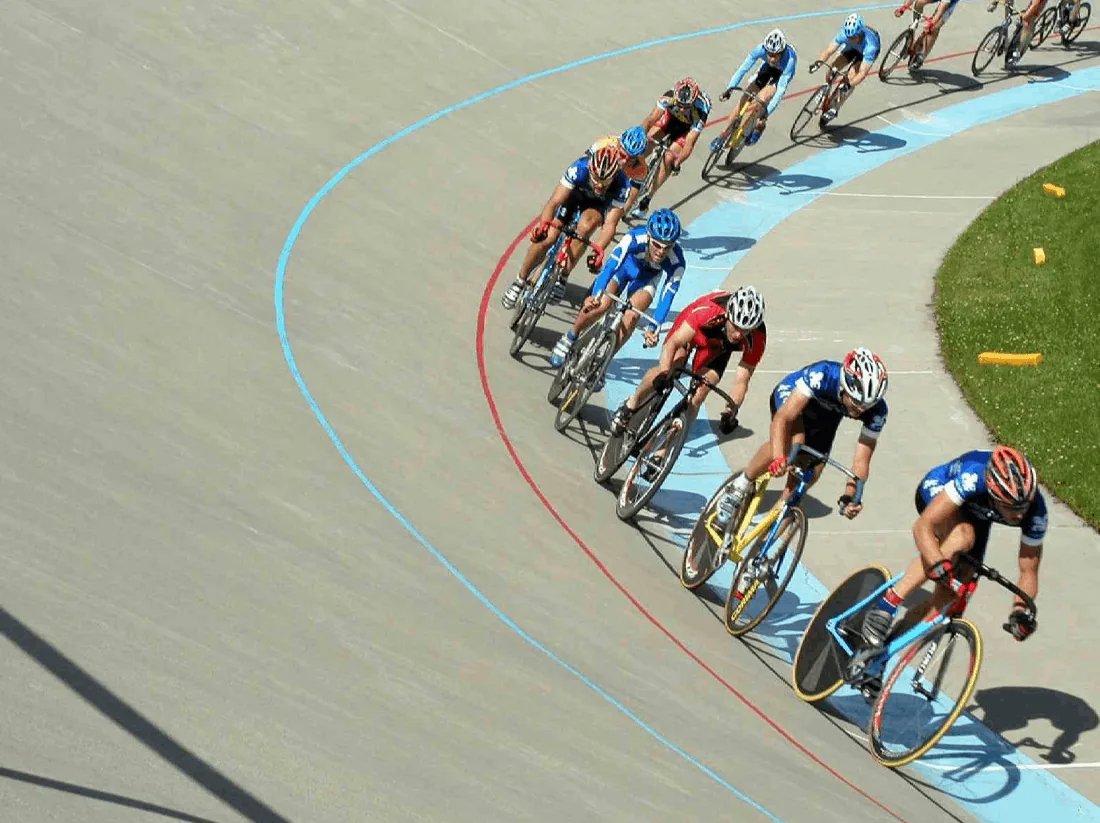
Cycling club dynamics also influence how daily practice is experienced. Road cycling often becomes a shared journey, where participants ride together and learn from one another’s pace and technique. Speed cycling introduces moments of individuality, where each person can test their limits while remaining part of the group. Fitness cycling helps maintain harmony, ensuring that all participants feel included and comfortable. Bike training supports this balance by encouraging routine and repetition, which strengthens both individual progress and group cohesion over time.
Another important aspect of road cycling daily practice is the relationship between effort and recovery. Road cycling teaches the importance of pacing, allowing individuals to distribute their energy effectively throughout each session. Speed cycling adds contrast by introducing short periods of higher intensity, which challenge both physical and mental endurance. Fitness cycling ensures that recovery is integrated naturally into the routine, helping maintain overall balance. Bike training reinforces consistency, showing that a well-structured approach leads to steady improvement without unnecessary strain.
The mental aspect of road cycling daily practice is equally significant. Road cycling encourages focus and awareness, helping individuals remain present throughout their ride. Speed cycling sharpens responsiveness, requiring quick adjustments and active engagement. Fitness cycling promotes a sense of calm and well-being, allowing participants to enjoy the process without pressure. Bike training builds discipline, creating a mindset that values persistence and gradual progress within a cycling club setting.
Through the integration of cycling club values, road cycling, speed cycling, fitness cycling, and bike training, daily practice becomes more than a routine. It evolves into a meaningful part of everyday life, reflecting a commitment to growth, balance, and consistency. In Japan, this approach resonates strongly, offering individuals a way to connect with movement and community while developing their skills in a steady and thoughtful manner.