Enchanted Elf Realms
Enchanted Elf Realms training basics form the foundation of understanding how a cycling club environment supports growth, discipline, and consistency in the world of cycling. In Japan, where attention to routine and mindful practice is highly valued, the connection between cycling club culture and daily activity becomes especially meaningful. Road cycling introduces the idea of endurance and steady progression, while speed cycling emphasizes intensity and controlled effort. Fitness cycling brings balance and sustainability into the process, and bike training ties everything together through structured and repeatable practice that builds confidence over time.
At the core of cycling club training basics is the idea that improvement comes from rhythm rather than sudden change. Within a cycling club, participants often learn how to combine road cycling with speed cycling in a way that feels natural and adaptable. Road cycling helps develop patience and awareness, allowing individuals to become more comfortable with longer sessions and gradual effort. Speed cycling, on the other hand, introduces moments of higher intensity that challenge both focus and physical coordination. Fitness cycling ensures that these efforts remain balanced, preventing fatigue from overwhelming the experience. Bike training reinforces the importance of routine, showing that consistent practice leads to meaningful development.
Another important aspect of cycling club training basics is the environment in which training takes place. In Japan, many cycling club groups emphasize calm and organized surroundings that support concentration and steady progress. Road cycling routes are often chosen to encourage smooth and uninterrupted movement, while speed cycling sessions may take place in areas that allow for controlled bursts of energy. Fitness cycling is reflected in the overall atmosphere, where comfort and accessibility are prioritized. Bike training brings structure to these environments, ensuring that each session has a clear purpose while still allowing for flexibility and personal adaptation.
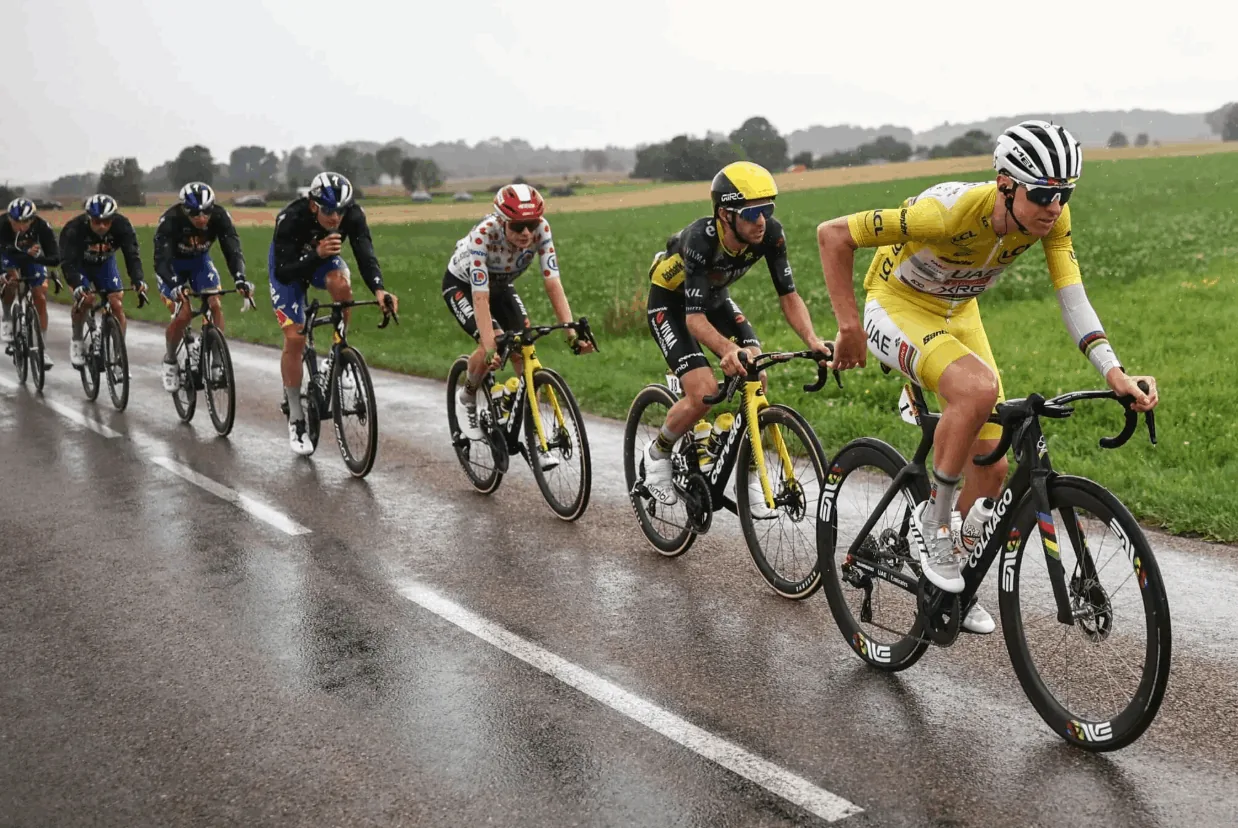
Cycling club training basics also highlight the relationship between individual effort and group dynamics. Within a cycling club, road cycling often becomes a shared experience where participants move together, learning from each other’s pace and technique. Speed cycling adds moments of excitement, where individuals can push their limits while still being part of a collective rhythm. Fitness cycling helps maintain harmony within the group, ensuring that everyone can participate comfortably regardless of their level. Bike training supports this balance by encouraging repetition and steady improvement, which benefits both individuals and the group as a whole.
The concept of progression plays a key role in cycling club training basics. Road cycling teaches that progress is gradual and built over time, requiring patience and consistency. Speed cycling introduces measurable challenges that help individuals understand their current abilities and areas for growth. Fitness cycling ensures that this progression remains sustainable, allowing participants to continue improving without strain. Bike training reinforces the importance of regular practice, showing that even small efforts contribute to long-term development within a cycling club environment.
In addition to physical development, cycling club training basics also shape mindset and perspective. Road cycling encourages awareness of surroundings and thoughtful pacing, while speed cycling sharpens focus and responsiveness. Fitness cycling promotes a sense of balance and well-being, helping individuals maintain a positive relationship with activity. Bike training builds discipline and confidence, creating a sense of reliability that extends beyond the act of cycling itself. Together, these elements form a complete approach to training that reflects the values of cycling club culture.
Through this combination of road cycling, speed cycling, fitness cycling, and bike training, cycling club training basics become more than just a method of practice. They represent a way of engaging with movement, routine, and community in a meaningful way. In Japan, this approach continues to inspire individuals who seek a structured yet flexible path to improvement, where each ride contributes to a deeper understanding of both cycling and personal growth.